


• Skip to primary navigation
  • Skip to main content
  • Skip to primary sidebar
  • Skip to footer
  • ¡Se Habla Español!
  • About
  • Privacy Policies
  • Contact
  • 847.741.7370
  • Facebook
  • Instagram
  • Twitter
Well Child Center 50 Year

Well Child Center

Growing Health Families

Support Well Child Center!

DONATE TODAY

  • Schedule Appointment
  • Dental Services
  • WIC Nutrition Services
  • Food for Families
  • Partnerships / Resources
  • Blog
  • Support

Well Child Center

Ready, Set, Shop!

May 14, 2019

Picture this: you’re at the grocery story accompanied by your hungry toddler. Although this might seem like a daunting task, there are ways of turning this mundane outing into an opportunity for interaction, conversation and fun!

Kids are curious creatures, they want to know everything about anything. Children learn through imitation (copying others: primarily their parents and caregivers) and induction (noticing patterns by personal experience). Therefore, the grocery store is a great platform to learn about food and social interactions.

As a child browses the grocery store shelves, this is where the best education takes place. Children are given the opportunity to see and learn about a variety of foods, other than what comes home with you. Here, kids can view food’s different colors, shapes and smells. With this hands-on approach, it’s a great opportunity to talk about healthy foods, where foods come from, and may even help motivate a picky eater to try something new. Let your child choose foods they want to bring home as it will help connect him or her to the food being prepared and thus much more likely to eat it. Furthermore, discuss why certain items do not end up in your cart and the importance that food plays in your health.

In addition to food education, children can practice their social skills while at the grocery store. Children can benefit from seeing, meeting and interacting with different people. This helps a child learn that people come in all shapes, sizes and colors. Also, while grocery shopping, it’s a great opportunity to experience and practice social skills such as waiting your turn, being respectful to others, speaking politely and asking for help. As parents and caregivers, it’s important to realize the value of human interaction and real-life experiences. Furthermore, nonverbal communication is an important part of communicating and it includes facial expressions, eye contact, tone of voice as well as posture. In a world that children use digital communication extensively, it can limit the face to face experiences necessary for them to develop and master appropriate social skills.

So next time you’re preparing your grocery store list, consider taking the kids! View it as an outing and opportunity to learn. What will you cook up? Ready, set, shop!

About Melinda Scheibe

Melinda received a B.S. in Nutrition from Illinois State University. Upon graduation, she joined Well Child Center and is actively working as a WIC Nutritionist and Development Associate. Melinda is committed to her career as a Nonprofit professional, empowering families to reach their maximum potential.

Filed Under: Nutrition, Well Child Center

Ignite Your Child’s Curiosity and Sense of Adventure

April 10, 2019

About 2 hours southwest by car lies a wonderful park waiting to be discovered. My husband and I visited Starved Rock State Park near Utica, Illinois recently. We had a great getaway weekend packed with fresh-air adventures.  In temperatures just above freezing, we layered up and hiked about a mile and a half to St Louis Canyon, which is billed as a winter “must see”.  Reaching the end of the canyon trail we were rewarded by an awesome sight:  an 80’ frozen waterfall Water trickled behind the ice, and glacier blue ice formations lined the walls of the canyon next to the main icefall. We took time to thoroughly enjoy the experience, even walking around behind the falls under the limestone bluff.  Eventually, we made our way out of the canyon and headed back up the trail. Just as we reached the Lodge, a heavy rainstorm began to pound the roof, providing a perfect excuse to spend the afternoon near the massive limestone double fireplace in the Great Hall. 

Illinois residents can take pride in this gem, which encompasses 2630 acres along the Illinois River and  is famous for its canyons, bluffs, and waterfalls. The park’s history goes back to Illinois native tribes and the French explorer LaSalle, who built a fort on the bluff to support French trade with the Indians. Modern history reveals that in 1835, Daniel Hitt purchased the land from the US Government as compensation for his army service. The next owner, Ferdinand Walther, began to build accommodations for vacationers. In 1911, the State of Illinois purchased the site and made it the state’s first recreational park  In the 1930′s the Civilian Conservation Corps placed three camps at Starved Rock State Park and began building the Lodge and trail systems  Today the trails, camps and Lodge are accessible to anyone who wants to visit.

Well Child Center was founded to protect a different natural resource—the children of our community. While Starved Rock State Park preserves natural beauty for recreation, our agency nurtures healthy, strong children and families who will enrich our community into the next generation and beyond. We have inherited wonderful blessings from previous generations. Now it’s our turn.  How will we preserve and protect them for our children? 

https://www.starvedrockstatepark.org/history/

About Linda Rusenovich, RD, LDN

Linda is the mother of four young adults and has worked at the Well Child Center since 2005. She encourages parents to take small steps toward better health for themselves and their children.
Filed Under: Well Child Center

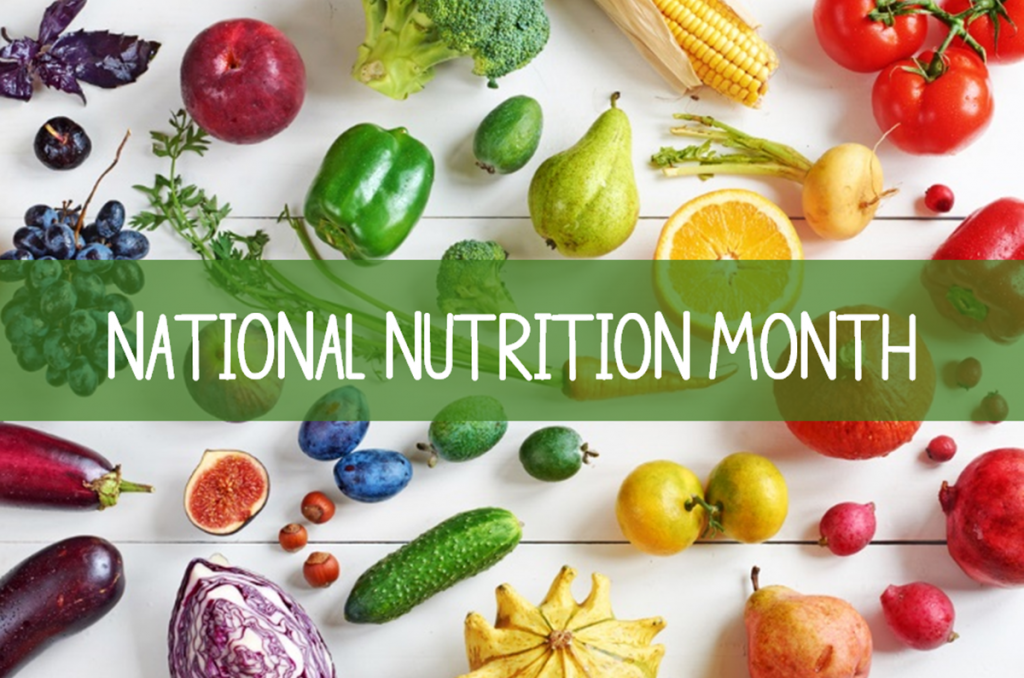
National Nutrition Month

March 26, 2019

National Nutrition Month at Well Child Center

Have you ever thought about making a lifestyle change to improve your eating habits? But you felt overwhelmed and didn’t know where to start? There’s no question about it, ditching bad habits and adopting good ones can be challenging. Overhauling your diet is a process that takes time and requires commitment.  

March is National Nutrition Month (NNM) and a great opportunity to learn more about quality nutrition and to begin making lifestyle modifications. NNM was created in 1973 by the Academy of Nutrition and Dietetics to promote healthy eating habits, nutrition education and celebrates the people who endorse a healthy lifestyle.

So why is it important to make healthier choices when it comes to diet? Because the food and beverages we chose to consume directly impacts our long-term health. Therefore, what we eat and drink matters! The 2015-2020 Dietary Guidelines for Americans emphasizes the importance of creating a healthy eating routine to maintain optimal health and reduce the risk of disease. So here are some tips to help you “spring” into a new season and new lifestyle:

  • Discover benefits of healthy eating
  • Start with small changes to build a healthier you
  • Eat a variety of foods to consume a variety of nutrients
  • Make half your plate fruit and vegetables
  • Make half your grains whole grains
  • Consume low-fat or fat-free milk and yogurt choices
  • Consume lean meats and vary your protein sources
  • Drink and eat less sodium, saturated fat, and added sugars
  • Be mindful of appropriate food portions
  • Select healthier options when eating away from home
  • Find activities that you enjoy and be physically active most days of the week
  • Keep it simple-eating right doesn’t have to be complicated

Helpful links:

https://www.eatright.org/

https://www.choosemyplate.gov/

About Melinda Scheibe

Melinda received a B.S. in Nutrition from Illinois State University. Upon graduation, she joined Well Child Center and is actively working as a WIC Nutritionist and Development Associate. Melinda is committed to her career as a Nonprofit professional, empowering families to reach their maximum potential.

Filed Under: Nutrition, Well Child Center

BRUSH Training

March 15, 2019

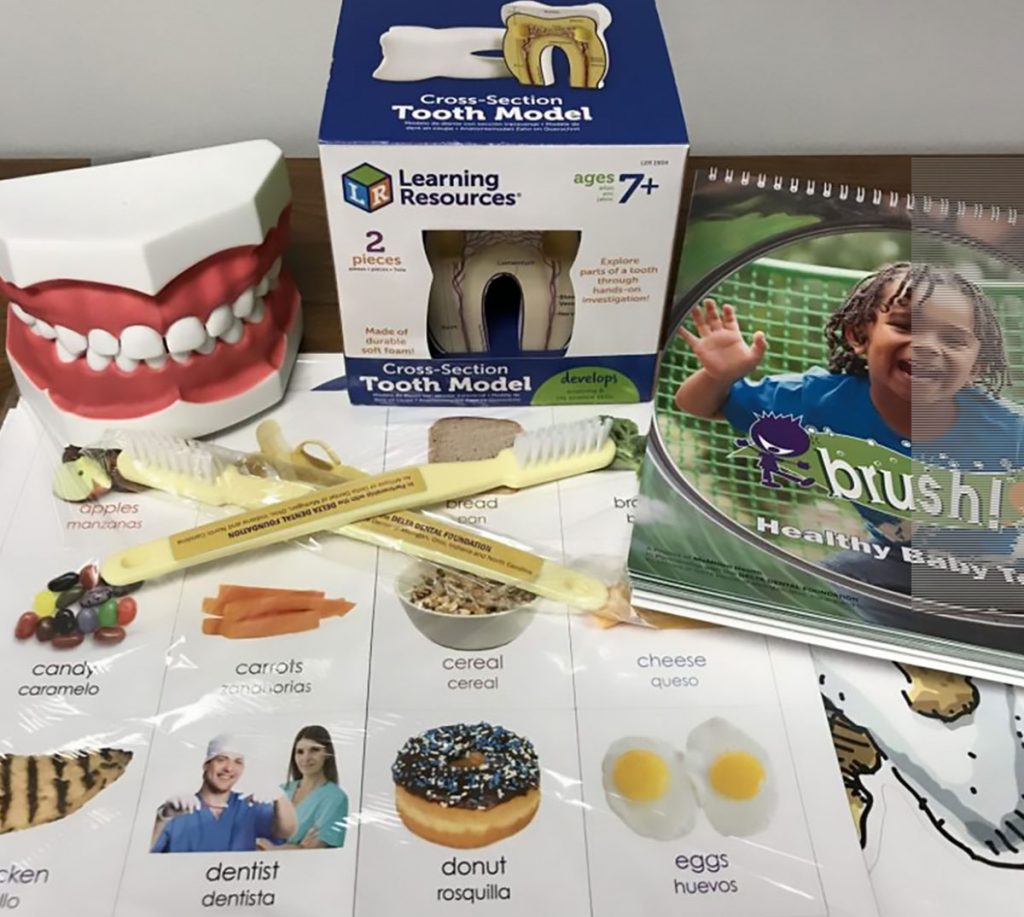
BRUSH Training at Well Child Center

At the March 2019 staff meeting, WCC was thrilled to welcome Holli Seabury from McMillen Health and John O’Malley from Delta Dental to provide our agency with BRUSH Training. The training portrayed how oral health impacts the WIC mission, presented practical ways to speak with clients about dental health, and emphasized the importance of establishing a dental home at age 1.

Also, thank you to McMillen Health and Delta Dental for gifting WCC with teaching resources to better educate our clients! We truly appreciate your partnership and support to help us serve local children in need of WIC and dental services.

Filed Under: Dental Health, Well Child Center

Youth – Building a Foundation

January 28, 2019

Blog-BFSupport4

Picture a toddler stubbornly shifting food back and forth on his plate refusing to eat. Next, he throws broccoli to the ground in disgust hoping you’ll serve something more appetizing. For many parents this scene is all too familiar. And as tiring as this may be, it is important to find ways to persuade your child to eat their vegetables. But why? Is proper nutrition really that important? If a child refuses to eat broccoli is it really that big of a deal? The answer is YES.

The relationship between nutrition, health and childhood development is undeniably strong. Research studies show that nutrition during a child’s early years are linked to their health and academic performance in later years. Children are highly impressionable as habits and routines begin to form at a young age. Therefore, choices that parents and children make early on regarding nutrition and lifestyle can last a lifetime. Consider the following nutrition information pertaining to early child development:

BABY. During this first stage of life it’s all about the milk: breastmilk, formula or a combination of both. Breastmilk and/or formula provides an infant with every nutrient needed for the first 4-6 months of life. Next, begin introduction to solid foods by offering iron-fortified cereals, strained fruits and vegetables and pureed meats. Signs that an infant is ready to begin solids is your baby can sit with good head support, the infant’s mouth will open as a spoon approaches and your baby can easily hold objects in his or her hand. Introduce all new foods one at a time to screen for allergies, giving each new food a 3-5-day grace period. Begin with small amounts of food and offer more as your infant grows older.

YOUNG CHILDREN. Between the ages of 1-5 years old, toddlers and preschoolers grow in spurts and their appetites will be inconsistent. One day they may eat a lot and others they will hardly eat anything at all. This is normal and reiterates why offering healthy food options are so important. Offer meals routinely as young children thrive off routine. Prepare meals that contain a variety of foods as it will provide your child’s diet with a variety of vitamins and minerals. Avoid processed foods as these are full of empty calories which are calories that do not hold any nutritional value. Also, as your child begins to form likes and dislikes it’s important to re-introduce all foods because a child’s taste buds are continuously changing.

After a full day’s work, a parent or caregiver then begins juggling the evening duties of cooking dinner, household chores, paying bills and helping complete that night’s homework assignment. It’s exhausting! And amid the chaos tricking your child to eat what they don’t want to might not seem worth the headache and inevitable tantrum. But persevere! Good nutrition sets the foundation for all the days to follow. I promise your child will thank you one day.

Helpful links:

  • https://www.choosemyplate.gov/
  • https://www.eatright.org/
  • https://kellymom.com/
  • https://www.lllusa.org/

About Melinda Scheibe

Melinda received a B.S. in Nutrition from Illinois State University. Upon graduation, she joined Well Child Center and is actively working as a WIC Nutritionist and Development Associate. Melinda is committed to her career as a Nonprofit professional, empowering families to reach their maximum potential.

Filed Under: Nutrition, Well Child Center

  • « Go to Previous Page
  • Page 1
  • Interim pages omitted …
  • Page 3
  • Page 4
  • Page 5

Primary Sidebar

Recent Posts

  • Join Us at the Elgin Sing-Along Messiah, December 4, 2025!
  • Raising Awareness of Urgent Maternal Warning Signs in Kane County
  • Brighter Smiles, Brighter Community Initiative
  • Fatherhood and Male Family Member Engagement Initiative
  • Dental Care for School Age Children—It’s More than Just Brushing

Archives

  • September 2025
  • July 2025
  • May 2025
  • November 2023
  • March 2023
  • January 2023
  • October 2022
  • September 2022
  • August 2021
  • June 2021
  • May 2021
  • March 2021
  • August 2020
  • June 2020
  • March 2020
  • January 2020
  • December 2019
  • November 2019
  • October 2019
  • September 2019
  • August 2019
  • June 2019
  • May 2019
  • April 2019
  • March 2019
  • January 2019

Categories

  • Breastfeeding
  • Child Development
  • Dental Health
  • Events
  • Food for Families
  • Nutrition
  • Well Child Center

Footer

Well Child Center

620 Wing Street, Suite 2
Elgin, Illinois 60123

Phone: 847-741-7370
FAX: 847-741-2413

  • Facebook
  • Instagram
  • Twitter

Quick Links

  • Schedule a Visit
  • Dental Services
  • WIC Nutrition Services
  • Partnerships / Resources
  • Well Child Center Blog
  • Privacy Policies
  • Donate!

Support Well Child Center!

We accept donations through PayPal

DONATE TODAY

Serving Northern Kane County

  • ¡Se Habla Español!

Copyright © 2025 · Well Child Center | Elgin · Carpentersville | Website by Wolko Design Group, inc.